
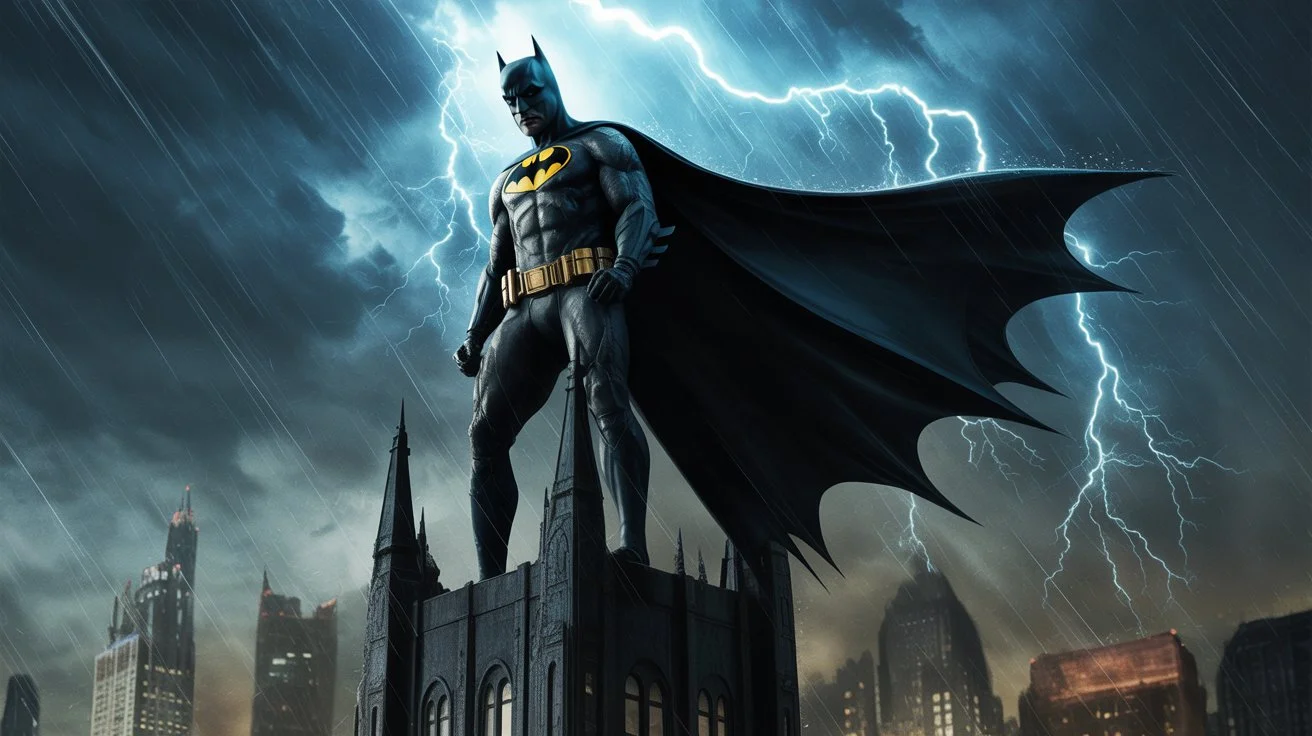
The question “did Batman kill Joker in The Killing Joke” has echoed through comic book fandom for decades. It’s more than a plot detail—it’s an emotional debate about morality, justice, trauma, and the thin line between hero and villain.
When readers first experienced the intense story of The Killing Joke, many felt shocked, confused, and even unsettled. Did the Dark Knight finally break his one unbreakable rule? Or was something deeper happening beneath the surface?
This article will explore every angle—story interpretation, author intent, symbolism, psychological impact, and canon debates—so you can understand the full truth behind this legendary moment in comic history.
Did Batman Kill Joker in The Killing Joke — The Core Story Breakdown
-
🃏 The story was written by Alan Moore, a legendary and influential comic author.
-
🎨 The artwork was created by Brian Bolland, known for detailed and expressive panels.
-
📖 It was published in 1988 as a standalone graphic novel.
-
🧠 The plot explores the psychological origins of Joker’s madness.
-
⚖️ Batman confronts Joker after a disturbing crime spree.
-
💥 The story ends with a tense rooftop confrontation.
-
🌧️ The final scene shows Batman and Joker sharing a dark moment in the rain.
-
😂 Joker tells a joke about two inmates escaping insanity.
-
🤝 Batman laughs alongside Joker in a rare emotional moment.
-
🔦 A sudden visual cut leaves the ending ambiguous.
-
🩸 There is no explicit on-panel confirmation of death.
-
🗣️ The ambiguity was intentional by the creators.
-
📚 Many fans debate whether the ending implies murder.
-
❓ The core question remains: was it symbolic or literal?
Did Batman Kill Joker in The Killing Joke — The Ending Scene Interpretation
-
🌧️ The rain symbolizes emotional cleansing and renewal.
-
😔 Batman appears exhausted and emotionally drained.
-
🤡 Joker shares a final laugh with his enemy.
-
🔇 The laughter stops suddenly.
-
💡 The panel fades into darkness.
-
🧩 No body is shown.
-
🎭 The ending mirrors classic tragedy structure.
-
🧠 Readers interpret silence differently.
-
🖤 The mood feels final but uncertain.
-
📷 Artistic framing increases tension.
-
🗯️ Dialogue hints at deep psychological closure.
-
🪞 The scene reflects duality between hero and villain.
-
🎬 Some adaptations emphasize ambiguity.
-
📘 The graphic novel leaves room for interpretation.
Did Batman Kill Joker in The Killing Joke — Canon vs. Interpretation Debate
-
📖 The story is considered part of many continuity discussions.
-
🧩 Canon status has shifted over time.
-
🦇 Different comic timelines reinterpret events.
-
🔄 Later stories reference the ending indirectly.
-
🗂️ Editorial decisions affect interpretation.
-
📚 Continuity in comics can reset or change.
-
🗣️ Writers after Moore expanded the mythology.
-
🧠 Fans analyze dialogue for clues.
-
🎥 Adaptations may alter details.
-
⚡ Some versions remove ambiguity.
-
🕵️ Detective analysis style enhances discussion.
-
🔍 No official panel confirms death.
-
🧾 Interpretations depend on continuity version.
-
🎭 The debate continues in fandom culture.
Did Batman Kill Joker in The Killing Joke — Psychological Symbolism Explained
-
🧠 The story explores trauma and mental collapse.
-
😢 Joker’s origin involves tragedy and chaos.
-
🦇 Batman represents discipline and restraint.
-
⚖️ The final moment symbolizes moral boundaries.
-
🔥 Conflict represents internal struggle.
-
💭 Laughter may symbolize shared madness.
-
🪞 The characters mirror each other.
-
🧩 Ending suggests emotional stalemate.
-
🌑 Darkness represents unresolved tension.
-
🧘 Batman’s code defines his identity.
-
🃏 Joker thrives on unpredictability.
-
🔄 The ending suggests cyclical conflict.
-
🎭 Symbolism outweighs literal detail.
-
💡 Psychological reading changes perception.
Did Batman Kill Joker in The Killing Joke — The Role of the Joke Itself
-
😂 The final joke is central to interpretation.
-
🧩 It describes two criminals escaping sanity.
-
🤝 The joke creates shared laughter.
-
🎤 Joker attempts connection.
-
🦇 Batman responds unexpectedly.
-
🧠 Shared humor suggests understanding.
-
💬 Dialogue replaces physical conflict.
-
🌧️ Rain heightens emotional tone.
-
🎭 The joke acts as narrative closure.
-
📖 It reframes the hero-villain dynamic.
-
🔦 Humor contrasts with darkness.
-
🪞 The joke reflects their similarities.
-
🧩 Interpretation shapes ending meaning.
-
💭 It may symbolize mutual acknowledgment.
Did Batman Kill Joker in The Killing Joke — Differences in Adaptations
-
🎬 Animated adaptations sometimes change tone.
-
📺 Film versions may clarify events.
-
🔄 Some adaptations show aftermath differently.
-
🦇 Character portrayal varies slightly.
-
🧠 Directors interpret ambiguity uniquely.
-
📖 Source material remains primary reference.
-
🎨 Visual style impacts perception.
-
💥 Added scenes may influence belief.
-
🗣️ Voice acting changes emotional depth.
-
🎞️ Runtime constraints affect storytelling.
-
📘 Original graphic novel stays iconic.
-
⚖️ Adaptations do not always confirm death.
-
🧩 Interpretation depends on version.
-
🎭 Each medium offers a new lens.
Did Batman Kill Joker in The Killing Joke — The Moral Code Question
-
🦇 Batman’s no-kill rule defines his character.
-
⚖️ Breaking it would change his identity.
-
🧠 The story tests ethical limits.
-
💔 Emotional pressure builds throughout.
-
🔥 Readers question heroism.
-
🛡️ The code separates hero from villain.
-
🧩 Moral tension drives narrative impact.
-
😔 Trauma influences decision-making.
-
🗣️ Dialogue reflects internal conflict.
-
🧠 Psychological strain is visible.
-
🪞 Joker challenges Batman’s restraint.
-
📖 Story reinforces ethical debate.
-
🎭 Code vs chaos is central theme.
-
💡 Ending preserves moral ambiguity.
Did Batman Kill Joker in The Killing Joke — Fan Theories and Evidence
-
🔍 Fans analyze panel transitions closely.
-
🧩 No explicit death scene appears.
-
📘 Artistic fade-to-black fuels debate.
-
🗣️ Dialogue does not confirm murder.
-
🧠 Some interpret laughter as final.
-
📖 Others see symbolic ending.
-
🎨 Visual cues remain subtle.
-
🔦 Lighting suggests closure.
-
🗂️ Editorial silence keeps mystery alive.
-
🧩 The story encourages interpretation.
-
💬 Community discussion remains active.
-
🎭 The ambiguity drives popularity.
-
📚 Evidence supports both views.
-
❓ No definitive proof exists.
Did Batman Kill Joker in The Killing Joke — Why Ambiguity Matters
-
🎭 Ambiguity creates lasting impact.
-
🧠 Open endings invite discussion.
-
📖 Readers become part of meaning.
-
💡 Mystery increases reread value.
-
🔄 Uncertainty keeps story alive.
-
🦇 Character depth grows through debate.
-
🃏 Joker remains unpredictable.
-
⚖️ Ethical tension feels realistic.
-
🧩 Ambiguity mirrors real-life complexity.
-
🌧️ Final scene resists simple answers.
-
🎨 Art style enhances mystery.
-
🗣️ Silence speaks loudly.
-
📚 Cultural legacy strengthens over time.
-
❓ Mystery defines the ending.
Did Batman Kill Joker in The Killing Joke — Impact on Comic Culture
-
📚 The story influenced darker comic tones.
-
🦇 It reshaped superhero storytelling.
-
🎭 Psychological themes became more common.
-
🧠 Writers explored complex villains.
-
💥 Graphic novel format gained popularity.
-
📖 Mature storytelling expanded audience.
-
🧩 Debate increased engagement.
-
🎨 Visual symbolism inspired artists.
-
🔄 Continuity experiments followed.
-
🗣️ Fandom discussions grew online.
-
📺 Adaptations referenced the work.
-
🃏 Joker’s character evolved.
-
🦇 Batman’s myth deepened.
-
🌍 Cultural footprint remains strong.
Did Batman Kill Joker in The Killing Joke — Emotional Reader Reactions
-
😲 Many readers felt shock.
-
🧠 Some experienced moral conflict.
-
💔 The ending felt intense.
-
🎭 Emotional storytelling resonated deeply.
-
🗣️ Fans debated passionately.
-
📖 First-time readers often re-read ending.
-
🧩 Reactions vary widely.
-
🔥 The scene feels climactic.
-
🧠 Emotional ambiguity engages thinking.
-
💬 Online discussions amplified debate.
-
📚 The novel became iconic.
-
🎨 Artwork strengthened emotional effect.
-
🦇 Character dynamics felt real.
-
❓ Feelings remain mixed.
Did Batman Kill Joker in The Killing Joke — Legal and Narrative Implications
-
⚖️ Killing would contradict hero code.
-
🧠 Narrative consequences would be major.
-
📖 Story avoids explicit confirmation.
-
🗂️ Editors maintain ambiguity.
-
🎭 Legal themes are symbolic.
-
🦇 Justice vs revenge is explored.
-
🧩 Outcome remains open.
-
💬 Dialogue suggests resolution.
-
🔍 Evidence is inconclusive.
-
📚 Later comics continue storyline.
-
🃏 Joker’s presence persists in universe.
-
🎨 Visual storytelling leaves gaps.
-
⚖️ Morality stays central.
-
❓ No official verdict exists.
Did Batman Kill Joker in The Killing Joke — Reading the Story Today
-
📖 Modern readers revisit classic themes.
-
🧠 Context changes interpretation.
-
🎭 Contemporary analysis adds depth.
-
🦇 Character psychology feels timeless.
-
💡 Themes remain relevant.
-
📚 Graphic novel stays popular.
-
🔄 New editions renew debate.
-
🗣️ Social media fuels discussion.
-
🎨 Artwork continues inspiring creators.
-
🧩 Ambiguity remains intact.
-
🃏 Joker remains cultural icon.
-
⚖️ Ethical debate still matters.
-
🌍 Global audience engages story.
-
❓ Question continues across generations.
Did Batman Kill Joker in The Killing Joke — The Final Meaning for Fans
-
🦇 Batman’s identity centers on restraint.
-
🃏 Joker thrives on chaos.
-
🎭 Ending symbolizes eternal conflict.
-
🧠 Psychological depth defines story.
-
📖 Ambiguity invites interpretation.
-
💭 Readers decide personal meaning.
-
🌧️ Rain scene remains iconic.
-
🔦 Silence strengthens mystery.
-
🧩 Narrative avoids simple closure.
-
⚖️ Moral boundaries stay tested.
-
🎨 Artistic design enhances symbolism.
-
🗣️ Dialogue leaves lasting impression.
-
📚 Legacy continues globally.
-
❓ The truth lives in interpretation.
Frequently Asked Questions
1. Did Batman kill Joker in The Killing Joke?
No official confirmation shows Batman killing Joker. The ending is intentionally ambiguous. The graphic novel ends with laughter and a fade-to-black moment, leaving readers to interpret what happened. Most evidence suggests symbolism rather than a confirmed death scene.
2. Why is the ending of The Killing Joke so controversial?
The controversy comes from the moral tension and unclear visuals. Batman’s laugh with Joker can be seen as emotional closure, not murder. Because no body is shown, fans debate whether it was literal or symbolic storytelling.
3. Is The Killing Joke considered canon?
Canon status has shifted over time due to comic continuity changes. Different storylines may reference it, but interpretations vary across timelines and adaptations within the broader universe.
4. What does the final joke mean?
The joke about two inmates escaping insanity symbolizes shared understanding between Batman and Joker. It suggests they may be reflections of each other, trapped in an endless psychological cycle.
5. Did any sequel confirm Joker’s fate?
Later stories do not definitively confirm death from that moment. Joker continues appearing in future narratives, reinforcing the idea that the ending was not a confirmed killing.
6. Who wrote The Killing Joke?
The story was written by Alan Moore, with artwork by Brian Bolland.
7. Why did the creators leave it ambiguous?
Ambiguity enhances psychological depth and encourages reader interpretation. The open ending allows the story to remain timeless and debated decades after publication.
8. Does Batman ever break his no-kill rule in this story?
There is no definitive proof that he does. The narrative suggests emotional intensity but does not clearly show a confirmed killing.
9. How did The Killing Joke influence comic books?
It popularized darker storytelling, psychological themes, and mature graphic novel formats, influencing superhero narratives for years.
10. Why do fans still ask this question?
Because the ending is designed to be interpretive. The mystery keeps discussions alive and ensures the story remains culturally relevant.
Emotional Conclusion
So, did Batman kill Joker in The Killing Joke? The most honest answer is this: the story chooses mystery over certainty. It invites us to think, feel, and question what justice truly means.
The final laugh echoes not as proof of death, but as a symbol of their eternal conflict. That ambiguity is exactly why the story still matters today. It challenges our beliefs, touches our emotions, and keeps the debate alive across generations.

“ViraInk.com is your creative hub for writing, storytelling, and inspiration. Discover engaging content and fresh ideas to fuel your imagination and passion for words.”